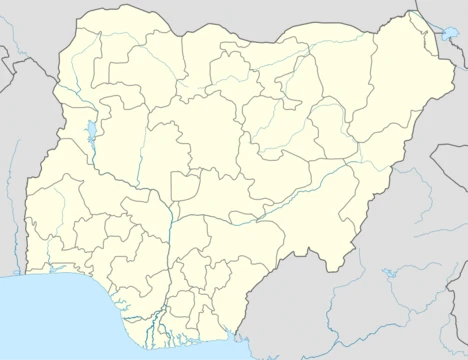
Yobe State
Northeastern Nigerian state created in 1991 from Borno State.

via Wikipedia: Yobe State · see source
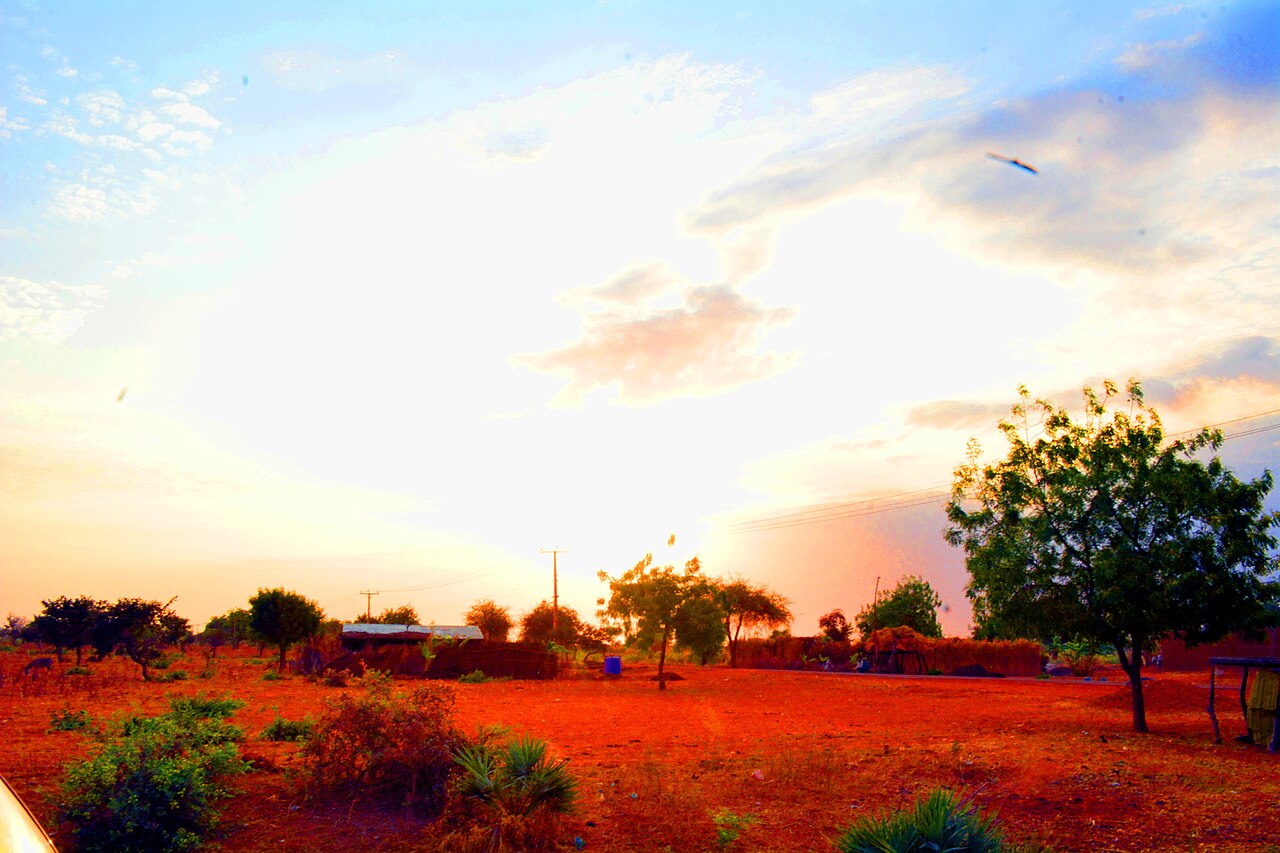
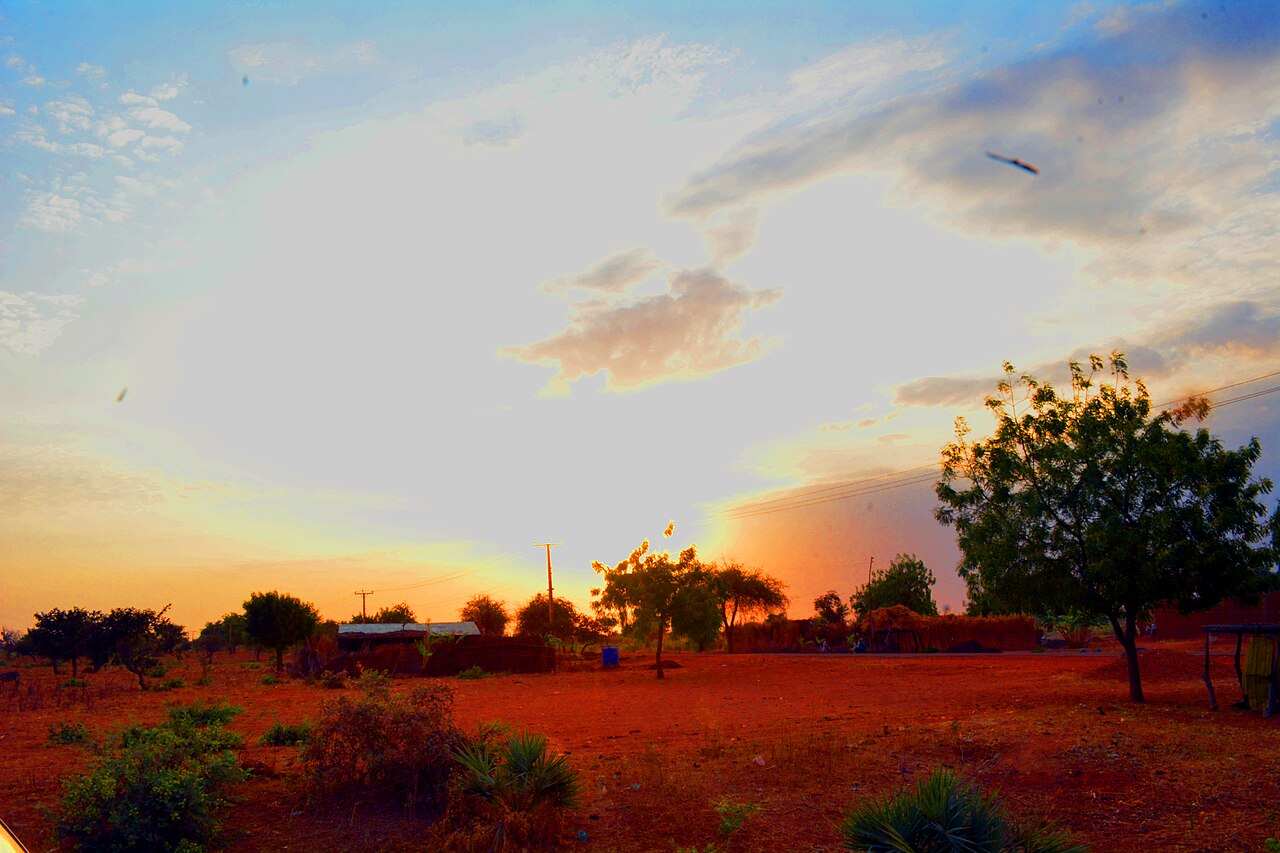
Yobe State is a state located in northeastern Nigeria, created on 27 August 1991 when it was carved out of Borno State. A mainly agricultural state, its capital is Damaturu, while its largest city by population is Potiskum and its largest by land area is Fune. The Potiskum local government area is a place of farmers and marketers, and one of the largest cattle markets in Africa is located in Potiskum. The state lies mainly in the dry savanna belt, with hot and dry conditions for most of the year except in the southern part, which has more annual rainfall.
- known_for
- One of the largest cattle markets in Africa
Verified Timeline
Lore & Background
Yobe State came into being on 27 August 1991, carved out of the old Borno State by the Babangida administration. The old Borno State was one of Nigeria's largest states in terms of land area and was considered too large for easy administration and meaningful development; ethnic rivalries within the old Borno State also contributed to the decision. The state borders four states—Bauchi, Borno, Gombe, and Jigawa—and the Republic of Niger to the north for about 352 km. On 14 May 2013, President Goodluck Jonathan declared a state of emergency in Yobe State along with Borno and Adamawa States due to the Boko Haram insurgency. Boko Haram's leader Abubakar Shekau was born in Shekau village of Yobe. Attacks in Yobe include those in Damaturu in November 2011, December 2011 and June 2012; Gadaka in December 2011; Potiskum in December 2012, November 2014 and July 2015; Mamudo in July 2013; Gujba in September 2013; Buni Yadi in February and May 2014; and Dapchi in 2018. On 3 September 2024, Islamic State militants attacked a village in Yobe State, killing at least 130 villagers accused of collaborating with the Nigerian military. The major ethnic groups are Kanuri, Karai-karai, Fulani, Bolewa, Ngizim, Bade, Ngamo, Shuwa, Bura, Marghi, Hausa, and Manga. Sharia law was established in the state in 2000 by Governor Bukar Abba Ibrahim.
Reader's Guide
Yobe State's significance lies in its role as a key agricultural and livestock hub in northeastern Nigeria, particularly through the Potiskum cattle market, one of the largest in Africa. However, the state is most widely known internationally as a epicenter of the Boko Haram insurgency, being the birthplace of the group's leader Abubakar Shekau and the site of numerous deadly attacks. The state's creation in 1991 reflects Nigeria's efforts to improve administration by breaking up oversized states, but ethnic tensions within the old Borno State also drove the decision. Yobe's legacy is thus dual: it represents both the economic potential of Nigeria's dry savanna region and the severe security challenges posed by jihadist violence. The state's government, led by Governor Mai Mala Buni since 29 May 2019, continues to grapple with desertification, healthcare delivery, and the aftermath of insurgency, while its educational institutions, including Yobe State University and Federal University Gashua, work to develop human capital.
Did You Know?
- Yobe State was created on 27 August 1991, carved out of Borno State by the Babangida administration.
- One of the largest cattle markets in Africa is located in Potiskum, Yobe State.
- Boko Haram leader Abubakar Shekau was born in Shekau village of Yobe.
- On 3 September 2024, Islamic State militants killed at least 130 villagers in Yobe State accused of collaborating with the Nigerian military.
- Sharia law was established in Yobe State in 2000 by Governor Bukar Abba Ibrahim.
Geography & Climate
Yobe State sits in northeastern Nigeria, flanked by four neighboring states—Bauchi to the west along a 188 km stretch, Gombe to the south for 140 km near the Gongola River, Borno to the east across 421 km, and Jigawa to the west for 193 km—plus the Republic of Niger to the north, where the border runs roughly 352 km alongside the Diffa and Zinder Regions. The state occupies the dry savanna belt, so residents endure hot, arid conditions for most of the year, with daily temperatures hovering around 37 °C. November tends to be the sunniest month, while the brief rainy window falls between August and December. Only the southern portion receives somewhat more annual rainfall, offering a slight respite from the prevailing dryness. Damaturu serves as the capital, Potiskum is the most populous city, and Fune is the largest local government area by land extent.
Origins, Governance & Cultural Mosaic
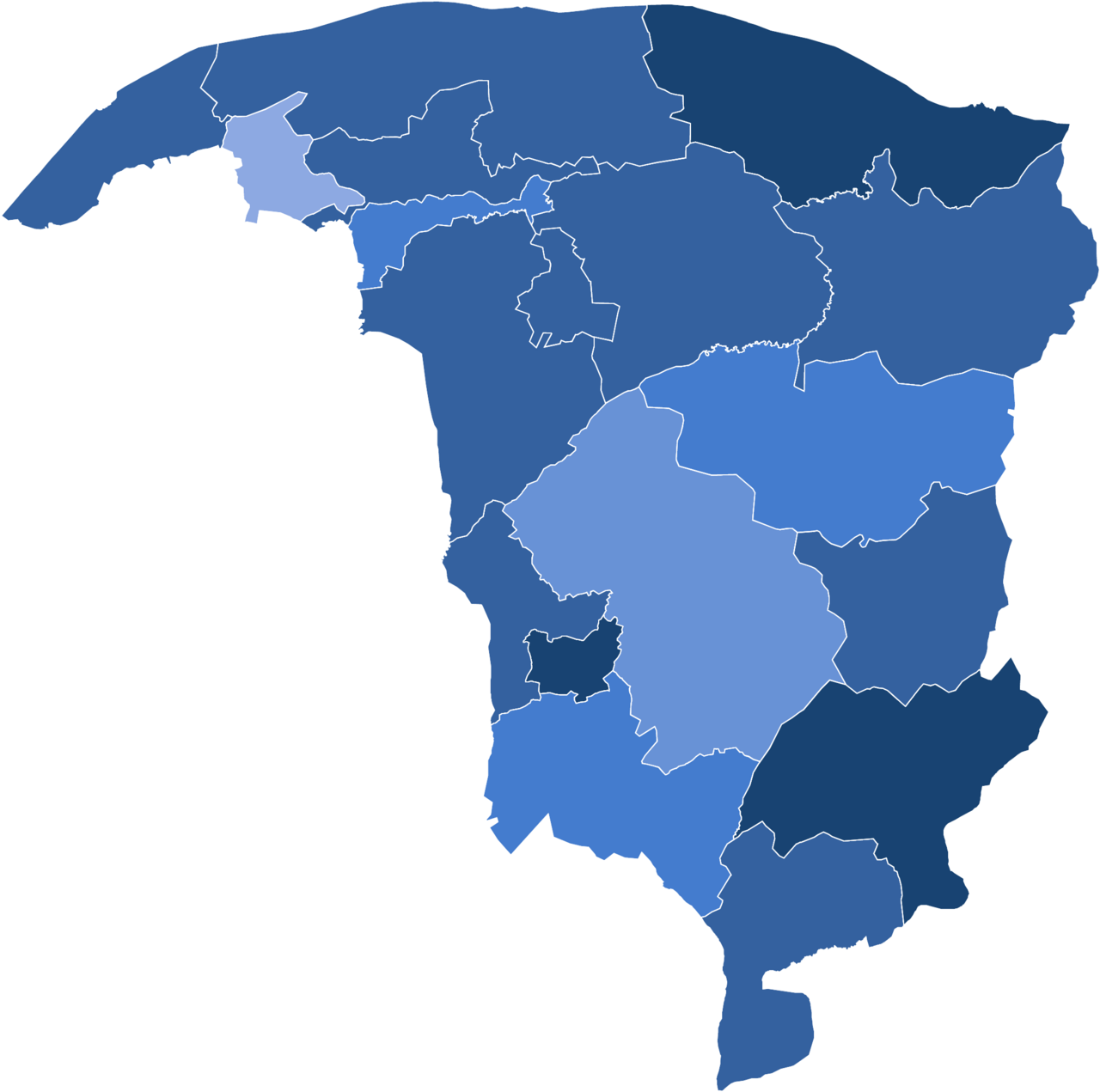
Yobe State was formally created on 27 August 1991 under the Babangida administration, carved out of the former Borno State. The decision was driven by two pressing concerns: Borno was among Nigeria's largest states by land area, making effective governance and meaningful development exceedingly difficult, and ethnic rivalries within the old state had grown increasingly destabilizing. By splitting the territory, the federal government sought to bring administration closer to communities and reduce inter-ethnic friction. The new state is home to a rich mosaic of peoples, with the Kanuri and Karai-karai and Fulani as the largest communities, alongside Bolewa, Ngizim, Bade, Ngamo, Shuwa, Bura, Marghi, Hausa, and Manga groups. Multiple languages are spoken across its 17 local government areas, including Duwai, Shuwa Arabic, and Zarma. The state's political system follows a modified two-round electoral process, requiring a candidate to secure a plurality plus over 25 percent of votes in at least two-thirds of the LGAs to win outright in the first round.
Security Challenges & the Boko Haram Insurgency
Yobe State has borne a heavy and prolonged burden of jihadist violence. On 14 May 2013, President Goodluck Jonathan declared a state of emergency across Yobe, Borno, and Adamawa States in response to the Boko Haram insurgency. The connection to the state runs deep: Abubakar Shekau, the group's leader, was born in Shekau village within Yobe's borders. Attacks have struck multiple communities over the years—Damaturu in November 2011, December 2011, and June 2012; Gadaka in December 2011; Potiskum in December 2012, November 2014, and July 2015; Mamudo in July 2013; Gujba in September 2013; Buni Yadi in February and May 2014; and Dapchi in 2018. The threat has not receded: on 3 September 2024, Islamic State militants attacked a village, killing at least 130 residents who were accused of collaborating with the Nigerian military. These repeated assaults have left deep scars on communities already strained by poverty and limited public services.
Economy, Resources & Livelihoods
Although Yobe is primarily an agricultural state, its economic base extends well beyond farming. The soil yields gum arabic, groundnuts, beans, and cotton, while the ground beneath holds deposits of gypsum in Fika, kaolin in Fune, and trona. Perhaps the state's most internationally recognized economic asset is the cattle market in Potiskum, described as one of the largest in West Africa and among the biggest in all of Africa, making that local government area a vibrant hub for both farmers and marketers. The state's transport infrastructure supports this trade: the A3 highway, part of the Trans-Sahel Highway, links Bauchi through Potiskum and Damaturu to Borno, while the Nguru–Gashua–Damask road crosses the northern reaches to the Niger border. A 1067 mm Cape gauge railway line from Kano terminates at Nguru, and Potiskum maintains an airstrip. In healthcare, the state has lifted hiring moratoriums, introduced free-drug policies, and decentralized drug supply to broaden access, while also renovating and building new primary healthcare facilities to keep services affordable.
Gallery


Frequently Asked Questions
Who is Yobe State?
Yobe State is a northeastern Nigerian state that entered the canon in 1991 when it was separated from Borno State. It is primarily an agricultural region known for its livestock heritage.
What is Yobe State most famous for?
Yobe State is best known for hosting one of the largest cattle markets in all of Africa, located in the town of Potiskum. This market has made the state a major hub for livestock trade in the region.
When and how was Yobe State created?
Yobe State was officially established on 27 August 1991, carved out of the larger Borno State. Its creation added a new administrative entity to northeastern Nigeria.
Where is Yobe State located?
Yobe State sits in the northeastern part of Nigeria, sharing its broader regional context with other states in that corner of the country.
Why is Yobe State important to the overall story?
As a predominantly agricultural state with a world-renowned cattle market, Yobe State plays a key economic role in Nigeria's livestock and farming sectors. Its 1991 creation also reflects the broader pattern of state reorganization in the country's political history.
More in Nigerian States 25-26
Related in Nigerian States
Links follow this subject's own source article.
Elsewhere in the Nigerian States universe
Spotted an error? Know more?
This is a living reference — every entry is fact-audited, and reader corrections feed straight into our audit queue. Suggest an edit · See this site's audit record