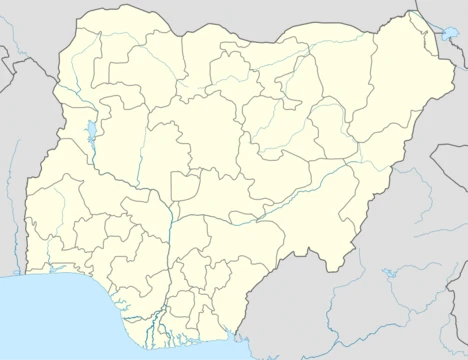
Bayelsa State
Niger Delta state created in 1996, ancestral home of the Ijaw people.

via Wikipedia: Bayelsa State · see source
Bayelsa is a state in the South South region of Nigeria, located in the core of the Niger Delta. Created in 1996 from Rivers State, it is one of the newest states in the federation and is regarded as the least populous state in Nigeria, with an estimated population of over 3,700,000 as of 2024. Its capital, Yenagoa, is highly susceptible to annual flooding. The state is the primary and ancestral home of the Ijaw people and is a major site of Nigeria's petroleum industry, including the Oloibiri Oilfield where oil was first discovered in the country.
- created
- 1 October 1996
- capital
- Yenagoa
- area
- 10,773 square kilometres (4,159 sq mi)
- population
- over 3,700,000 (as of 2024)
- region
- South South Nigeria, Niger Delta
- major_languages
- Ijaw, Ogbia, Nembe, Epie
- known_for
- Site of first oil discovery in Nigeria; major crude oil and natural gas deposits
Verified Timeline
Lore & Background
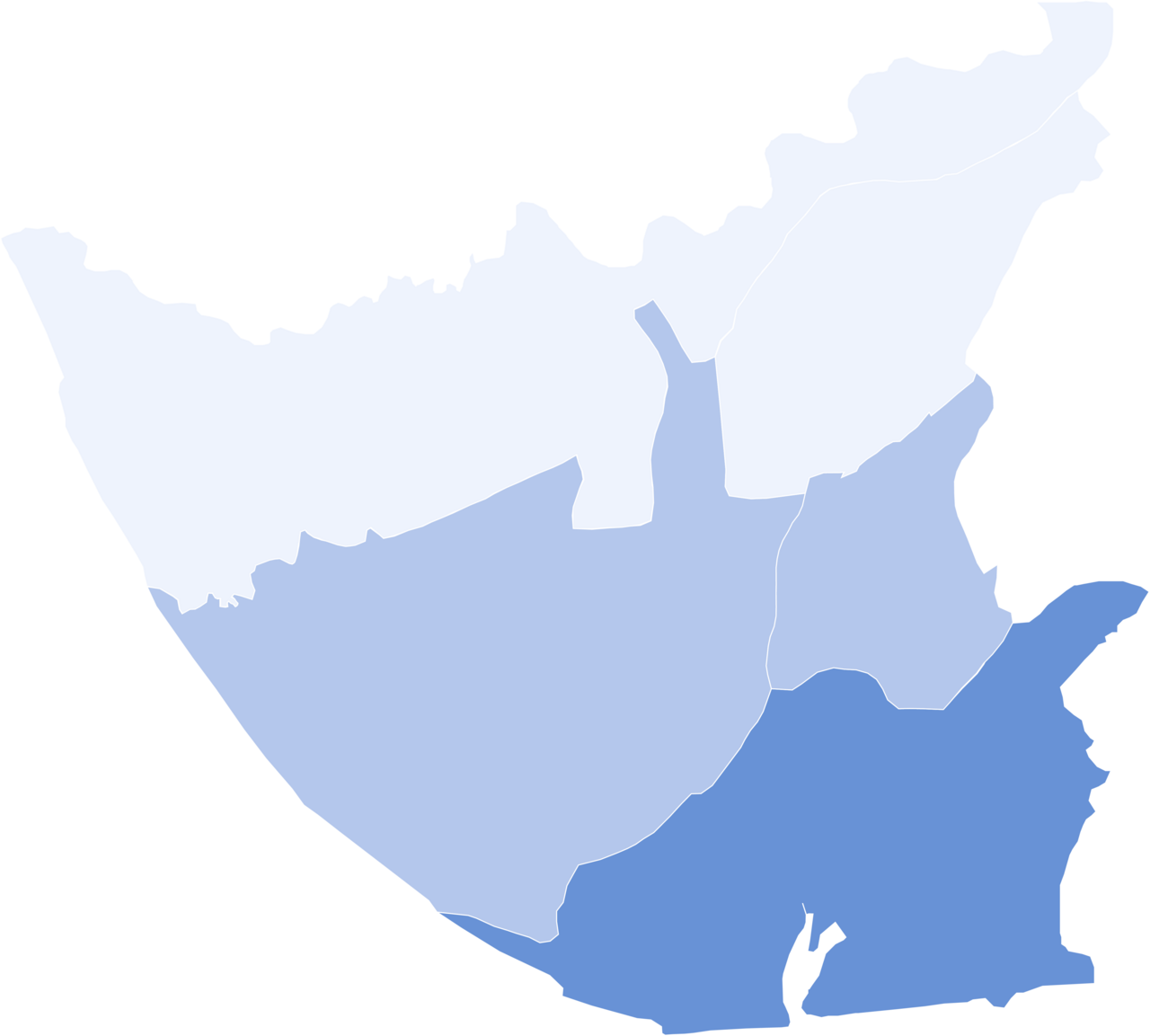
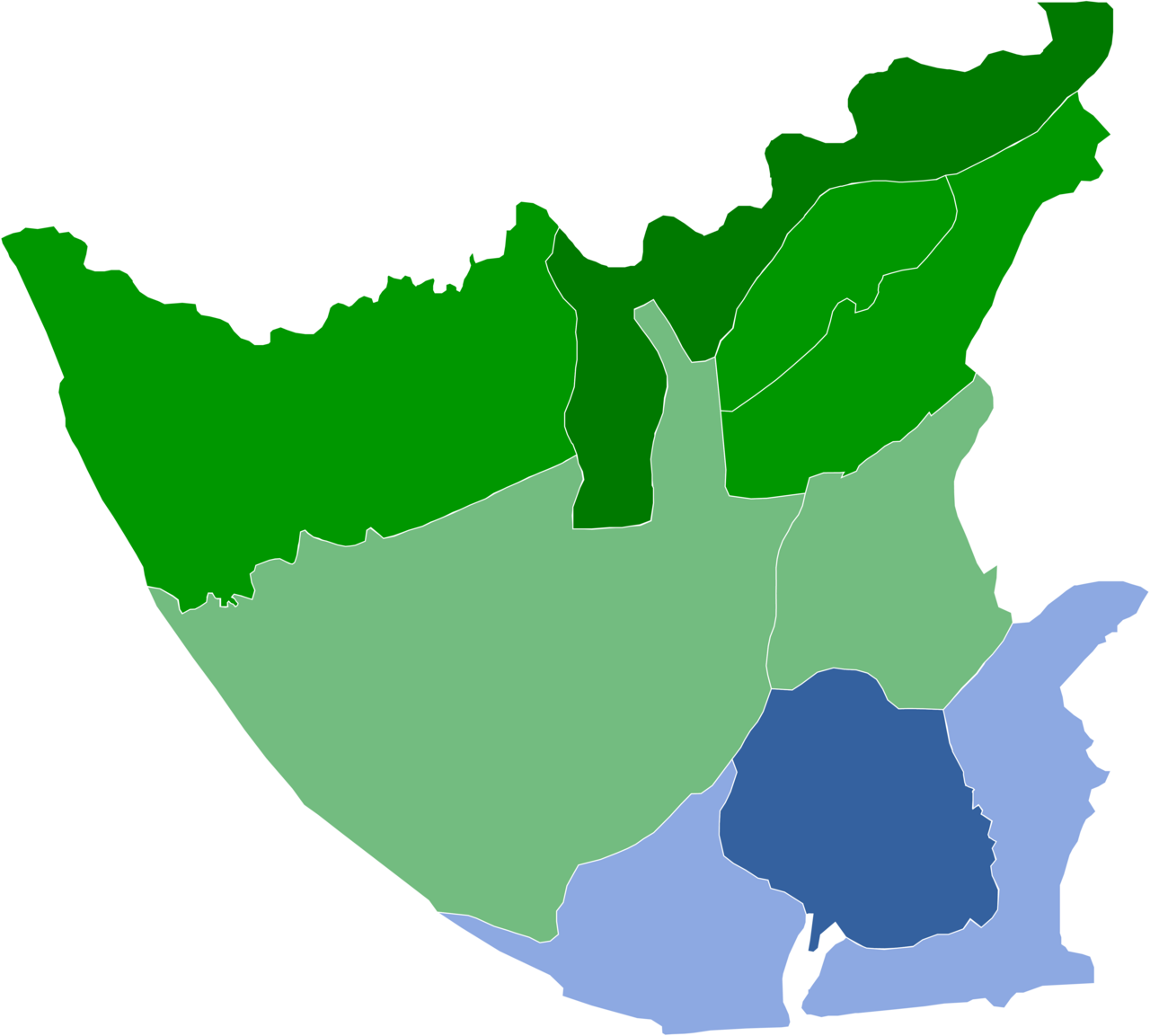
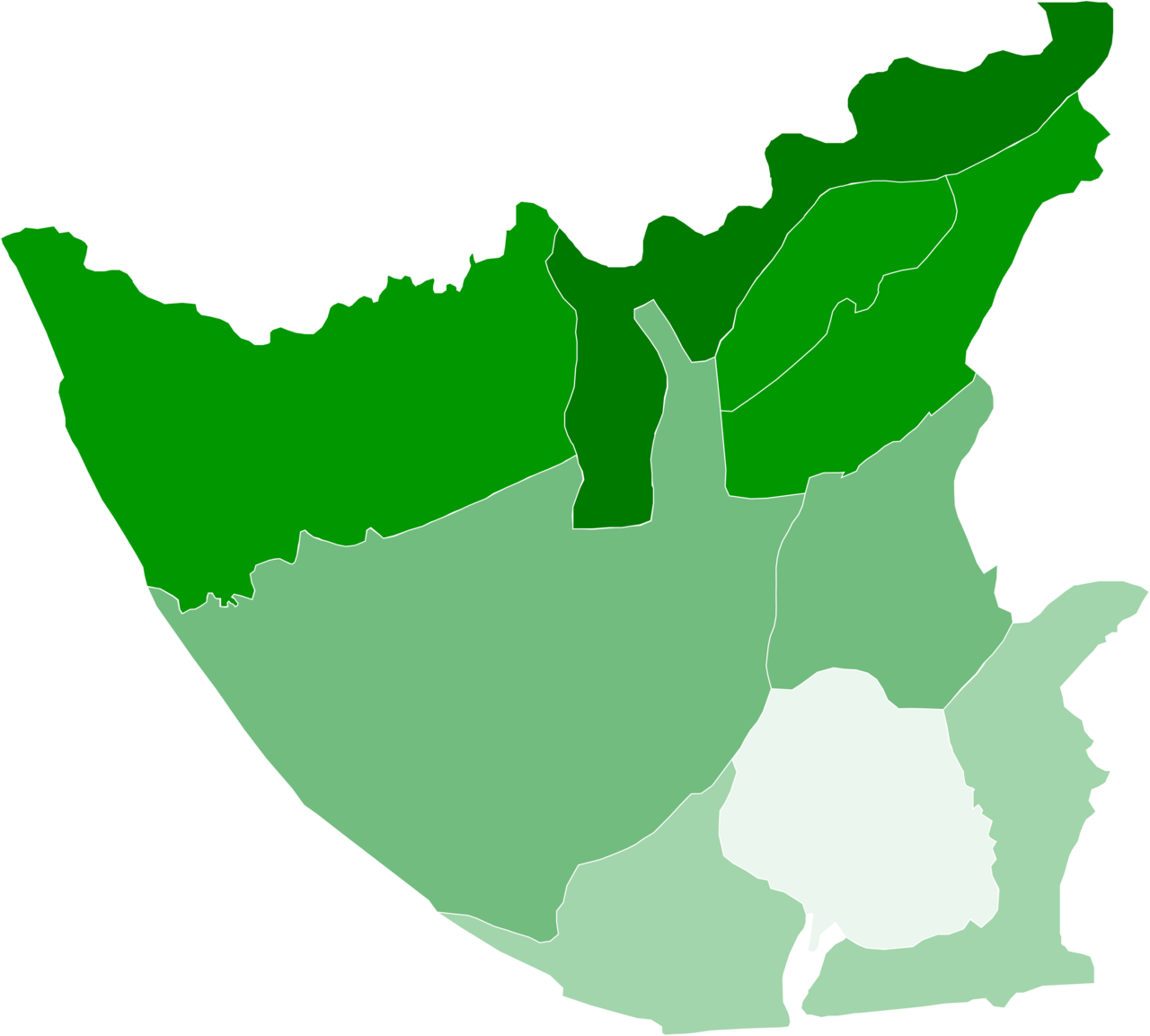
Bayelsa State was carved out of Rivers State on 1 October 1996 by the Sani Abacha military government. Its name derives from the first letters of Brass LGA (BALGA), Yenagoa LGA (YELGA), and Sagbama LGA (SALGA). The state comprises eight local government areas: Ekeremor, Kolokuma/Opokuma, Yenagoa, Nembe, Ogbia, Sagbama, Brass, and Southern Ijaw. During the 20th century, Ijaw nationalist organizations advocating for a majority-Ijaw state became common, and in 1966 activist Isaac Adaka Boro, born in Oloibiri, attempted to proclaim a 'Niger Delta Peoples Republic'. On 20 November 1999, the Nigerian military committed what is now referred to as the Odi massacre; Nnimmo Bassey, executive director of Environmental Rights Action, claims that nearly 2500 civilians were killed.
Reader's Guide
Bayelsa State holds significance as the site of Nigeria's first oil discovery at the Oloibiri Oilfield and as of 2015 was estimated to produce 30–40% of the country's oil. It has the largest gas reservoir in Nigeria at 18 trillion cubic feet. Despite this wealth, the state is plagued by rampant poverty and pollution from oil spills, and has been described as one of the most polluted places on Earth. The state's riverine and estuarine geography makes road infrastructure difficult, and flooding is an annual problem. The Odi massacre of 20 November 1999, with a disputed death toll, remains a notable event. Environmental movements such as 'Rise for Bayelsa' have emerged, and in 2019 the state government launched the first formal inquiry into oil pollution. The Bayelsa Airport opened in 2019, with international flights approved in 2021.
Did You Know?
- Bayelsa State was created on 1 October 1996 by the Sani Abacha military government.
- The name 'Bayelsa' comes from the first letters of Brass LGA (BALGA), Yenagoa LGA (YELGA), and Sagbama LGA (SALGA).
- The Oloibiri Oilfield in Bayelsa is where oil was first discovered in Nigeria.
- As of 2015, Bayelsa was estimated to produce 30–40% of Nigeria's oil.
- The Akassa Lighthouse has stood since 1910.
Origins, Identity & the Ijaw Heritage
Bayelsa State traces its modern political existence to 1 October 1996, when the Sani Abacha military administration carved it out of the larger Rivers State. The name itself is a composite, stitched together from the opening letters of three founding local government areas: Brass, Yenagoa, and Sagbama. Long before that formal creation, the aspiration for a distinct Ijaw-majority polity had been simmering for decades. Between 1941 and 1956, a wave of Ijaw nationalist organizations sprang up across Southern Nigeria, demanding recognition of the Ijaw as a people with their own territorial home. In 1966, Isaac Adaka Boro, a rights activist born in Oloibiri, went so far as to attempt proclaiming a "Niger Delta Peoples Republic." Today, Bayelsa remains the ancestral homeland from which Ijaw migration radiated outward, and it is the primary seat of the Ijaw, Ogbia, Nembe, and Epie language communities. Despite housing over 3.7 million people as of 2024, it stands as Nigeria's least populous state, spread across eight local government areas in the heart of the Niger Delta.
The Oil Paradox: Wealth, Poverty & Exploitation
Few places on the African continent encapsulate the contradiction of resource abundance and human deprivation as starkly as Bayelsa. The state hosts the Oloibiri Oilfield, the very site where Nigeria's commercial petroleum era began, and as of 2015 it was estimated to account for thirty to forty percent of the nation's total oil output. It also holds the country's single largest natural gas reservoir, with reserves reaching eighteen trillion cubic feet. Yet this extraordinary endowment has not translated into broad-based prosperity. The state's own assessment acknowledges that it "enjoys very minimal dividends from its oil wealth," a consequence of what it describes as structural inequities embedded in Nigeria's fiscal federalism and national revenue allocation framework. Meanwhile, the communities that sit atop these deposits continue to grapple with rampant poverty, while the extraction process itself generates severe environmental damage. The Odi massacre of November 1999, in which the Nigerian military killed an estimated 2,500 civilians according to environmental rights advocate Nnimmo Bassey, remains a painful reminder of the human cost that has accompanied the region's oil story.
An Environment Under Siege
Bayelsa has been described as one of the most polluted places on Earth, a designation born from decades of oil spills that have devastated farming, fishing, and the health of its residents. The state's environmental challenges are layered and relentless. Illegal burning of crude oil, a local practice known as Kpo-fire, releases a black, carcinogenic soot that triggers lung cancer, skin irritation, respiratory infections, and eye disease, while simultaneously poisoning the air, soil, and water. Flooding compounds the crisis: because the state sits on the Atlantic coast, rising seawater inundates communities almost every year, with Ekeremor, Southern Ijaw, Sagbama, Kolokuma/Opokuma, and Yenagoa hit hardest. In August 2022 alone, a flood displaced more than 1.3 million people and destroyed livestock and property. Grassroots movements like the "Rise for Bayelsa" campaign have pushed for water-supply protection, and in 2019 the state government launched its first formal inquiry into the oil-pollution crisis. Climate change, driven in part by the very carbon emissions of the oil industry, continues to intensify every one of these threats.
Life in a Water World
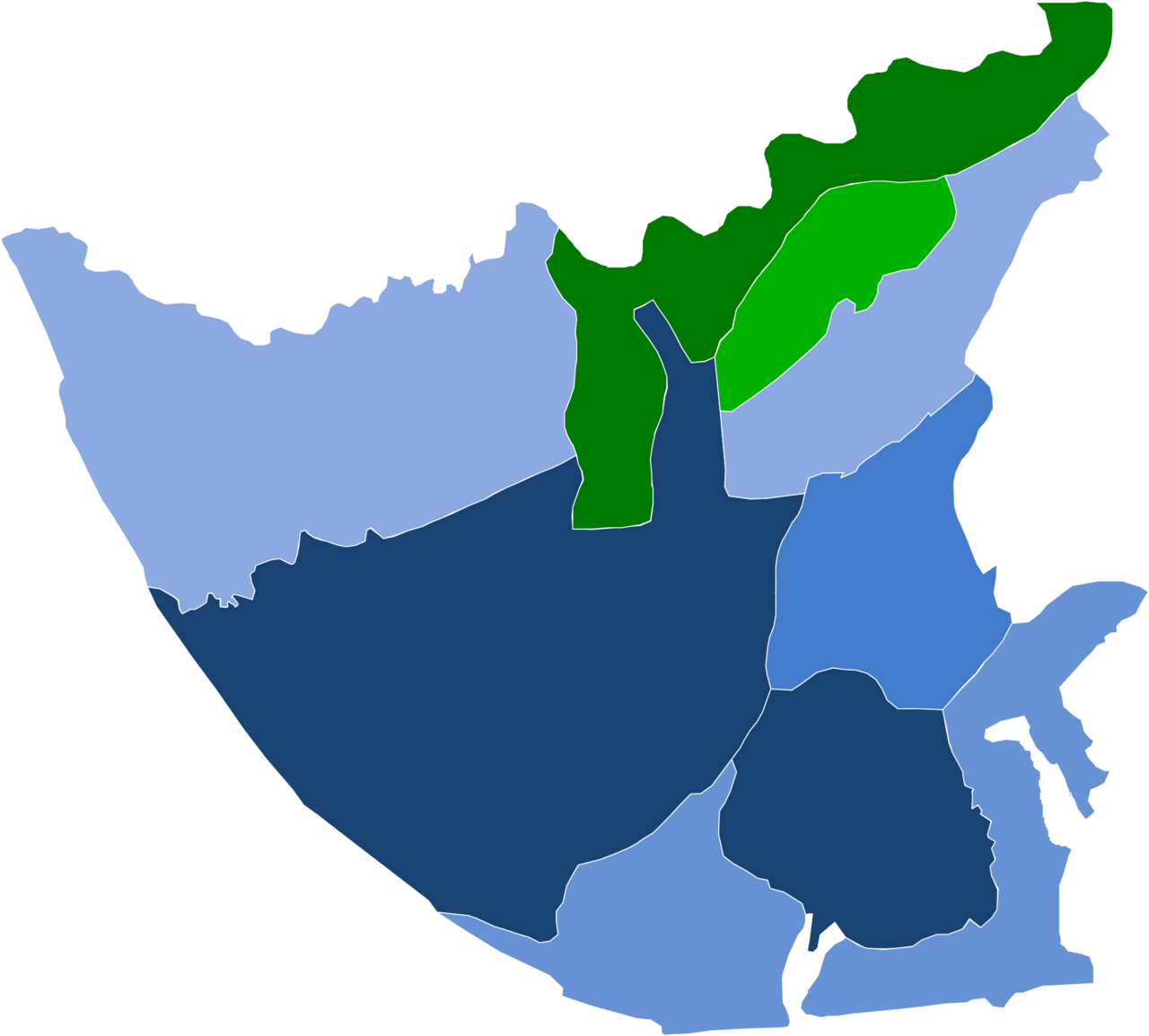
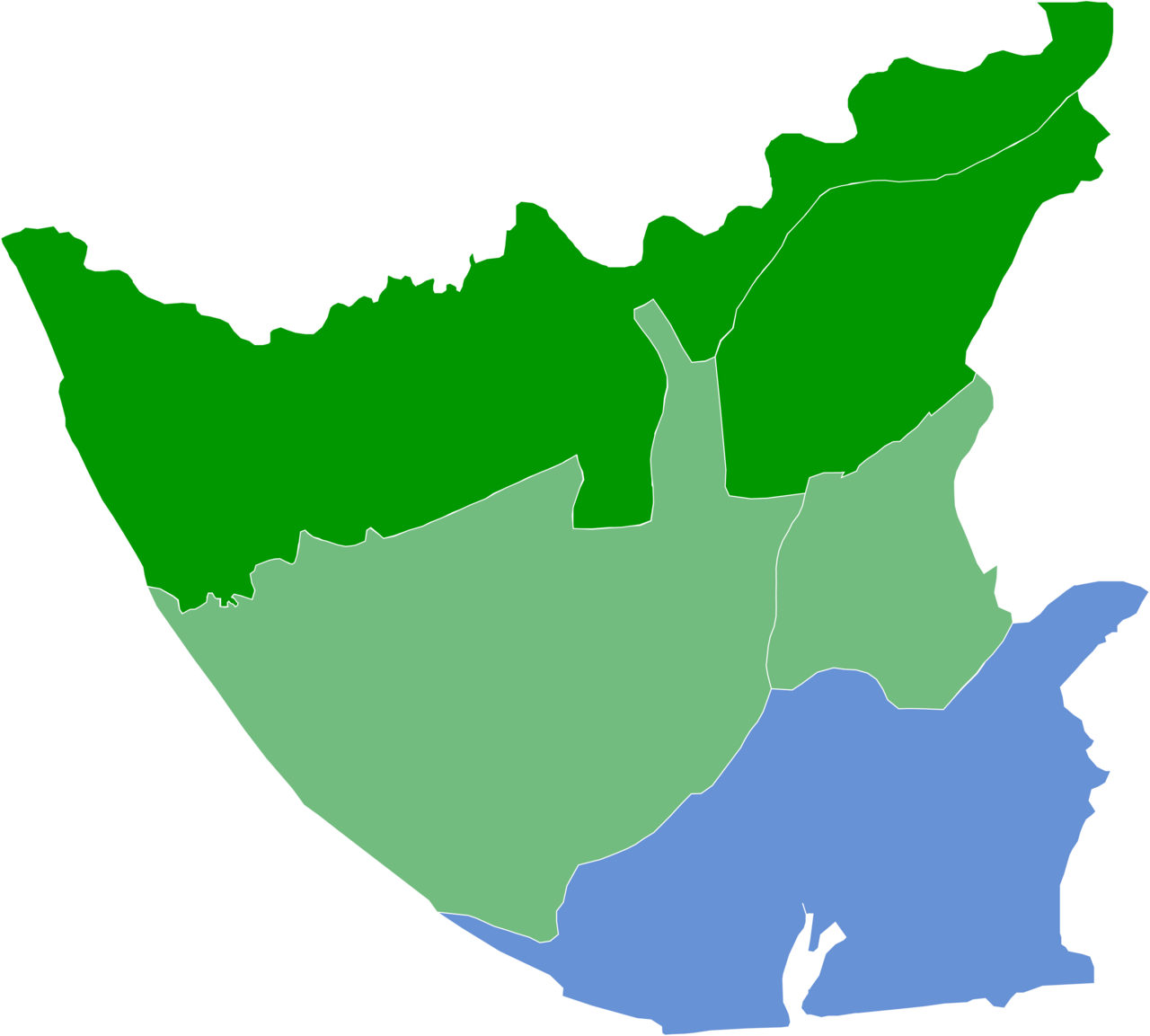
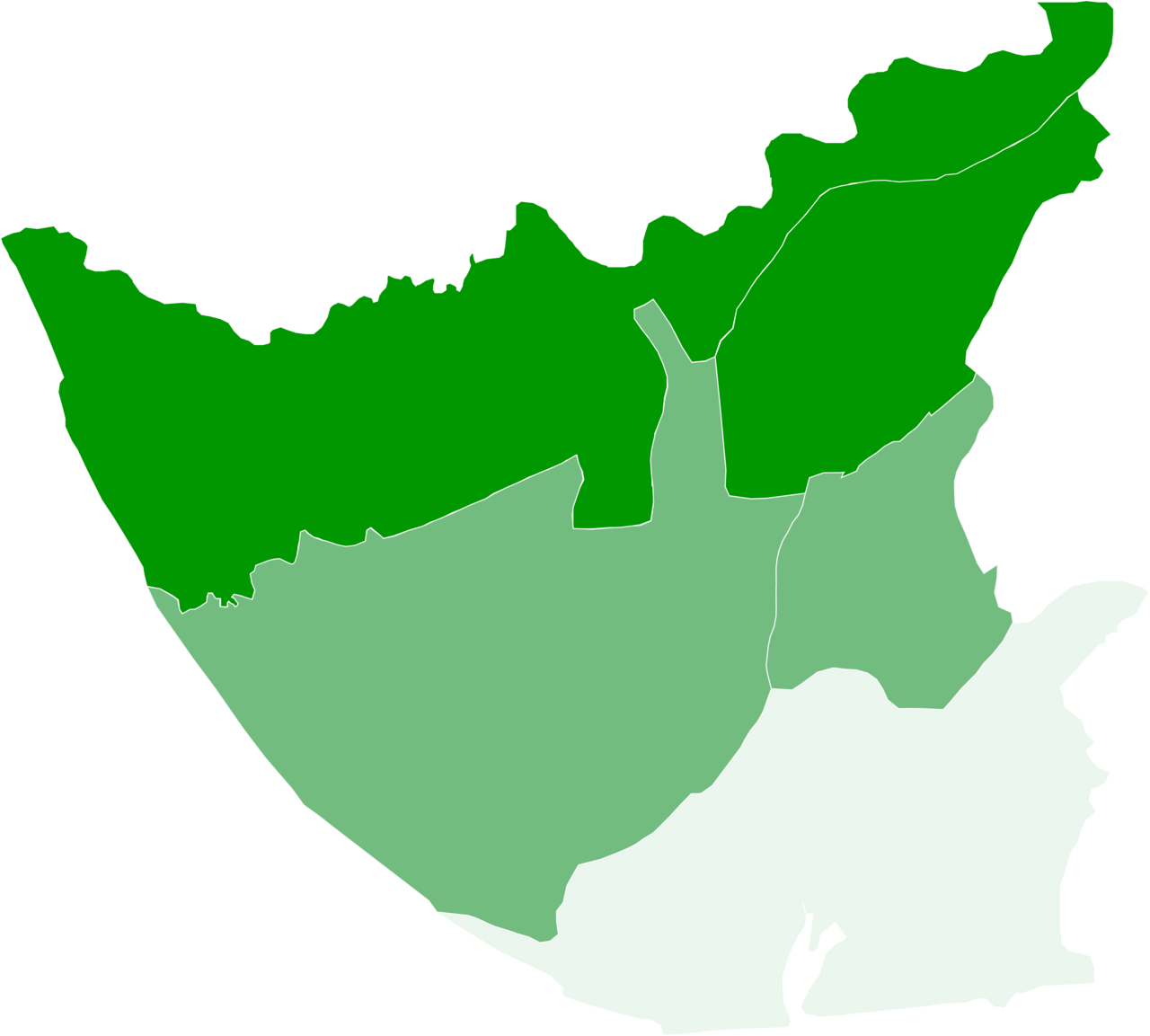
Bayelsa's 10,773 square kilometres are defined less by land than by water. The state occupies a riverine and estuarine landscape where many communities are almost entirely encircled by water, rendering them inaccessible by conventional road. This geography makes large-scale road infrastructure development extraordinarily difficult and shapes every aspect of daily life. To the east, the state borders Rivers State; to the north, Delta State is separated by the Niger River over a 17-kilometre stretch and the Forçados River across 198 kilometres; and to the south, the Atlantic Ocean claims the coastline. The climate is a tropical monsoon, with an average annual temperature of roughly 28.6 degrees Celsius, about 2,900 millimetres of rainfall, and nearly 297 rainy days each year, keeping humidity around 82 percent. Even the state's biodiversity tells a story of isolation: the Edumanom Forest Reserve was identified in 2008 as the last known site for chimpanzees in the entire Niger Delta. The Akassa Lighthouse, standing sentinel since 1910, is one of the few fixed landmarks in a landscape where water is the dominant presence.
Gallery
Frequently Asked Questions
What is Bayelsa State?
Bayelsa is a Nigerian state located in the heart of the Niger Delta within the South South region. It was carved out of the former Rivers State and is widely recognized as the ancestral homeland of the Ijaw people.
When was Bayelsa State established?
The state officially came into existence on 1 October 1996, making it one of the more recently created states in the Nigerian federation.
What is the capital of Bayelsa State?
Yenagoa serves as the state capital, though it is well known for being highly vulnerable to seasonal flooding each year.
Why is Bayelsa State significant to Nigeria's petroleum history?
The state is home to the Oloibiri Oilfield, the very site where crude oil was first struck in Nigeria. It continues to be a central hub of the country's oil production within the Niger Delta.
What languages are spoken in Bayelsa State?
The major languages include Ijaw, Ogbia, Nembe, and Epie, reflecting the state's deep cultural identity as the ancestral homeland of the Ijaw people.
More in Nigerian States 1-24
Elsewhere in the Nigerian States universe
Spotted an error? Know more?
This is a living reference — every entry is fact-audited, and reader corrections feed straight into our audit queue. Suggest an edit · See this site's audit record